
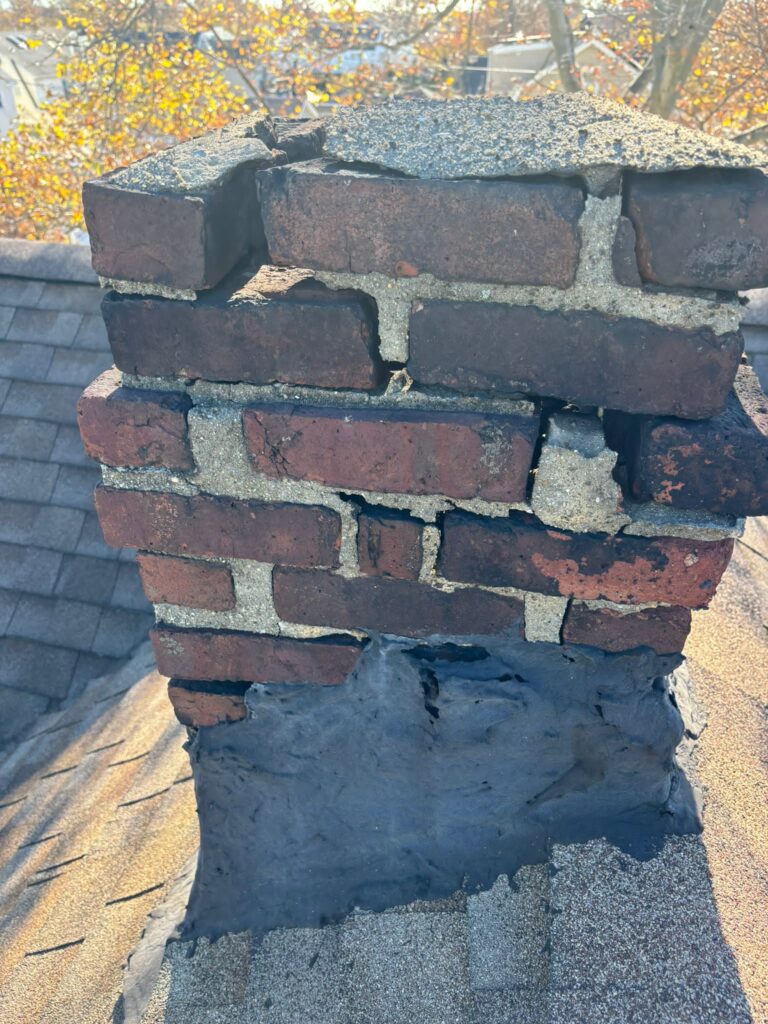
A well-functioning chimney does more than simply release smoke—it plays a critical role in maintaining a safe, efficient, and healthy home environment. One of the most important aspects of chimney performance is proper ventilation. Without adequate ventilation, your fireplace or heating system cannot operate effectively, leading to safety hazards, poor air quality, and increased energy costs.
Many homeowners underestimate the importance of chimney ventilation until problems arise. However, understanding how proper airflow works and why it matters can help you prevent serious issues and keep your home comfortable year-round.
What Is Chimney Ventilation and How Does It Work?
Chimney ventilation refers to the process of safely directing smoke, gases, and combustion byproducts out of your home through the chimney flue. This process relies on a natural draft system, where hot air rises and carries smoke upward and out of the chimney.
For proper ventilation to occur, several components must work together:
- A clear and unobstructed flue
- A properly functioning damper
- Adequate air supply for combustion
- A well-designed chimney structure
When any of these elements are compromised, ventilation becomes inefficient, and harmful substances may remain inside your home.
Why Proper Chimney Ventilation Is Essential
1. Protects Indoor Air Quality
One of the primary benefits of proper chimney ventilation is maintaining clean indoor air. When ventilation is working correctly, smoke, soot, and gases are safely expelled outside.
Poor ventilation can cause:
- Smoke to enter your living space
- Lingering odors
- Increased airborne particles
- Reduced oxygen levels
These issues can affect comfort and lead to respiratory irritation, especially for sensitive individuals.
2. Prevents Carbon Monoxide Buildup
Carbon monoxide is a dangerous, invisible gas produced during combustion. Without proper ventilation, it can accumulate inside your home, posing serious health risks.
A well-ventilated chimney ensures:
- Safe removal of harmful gases
- Reduced risk of carbon monoxide exposure
- Proper airflow for combustion
For additional information about indoor air safety and carbon monoxide risks, you can visit:
https://www.epa.gov/indoor-air-quality-iaq
Maintaining proper ventilation is one of the most effective ways to protect your household from this silent threat.
3. Enhances Fireplace Efficiency
Efficient ventilation improves how your fireplace burns fuel. When airflow is balanced, fires burn hotter and cleaner, producing more heat with less fuel.
Benefits include:
- Better heat output
- Reduced smoke production
- Improved fuel efficiency
- Lower heating costs
Without proper ventilation, fires may struggle to burn, leading to wasted energy and poor performance.
4. Reduces Creosote Buildup
Creosote forms when wood burns incompletely, and it sticks to the walls of the chimney flue. Poor ventilation contributes to excessive creosote buildup because smoke does not exit efficiently.
Excess creosote can:
- Restrict airflow further
- Increase the risk of chimney fires
- Produce strong, unpleasant odors
Proper ventilation helps minimize creosote accumulation by allowing smoke and gases to flow out smoothly.
5. Prevents Smoke Backdraft Issues
Backdraft occurs when smoke flows back into your home instead of rising through the chimney. This is a clear sign of ventilation problems.
Common causes of backdraft include:
- Blocked chimney flue
- Negative air pressure inside the home
- Damaged or closed damper
- Improper chimney design
Proper ventilation eliminates these issues, ensuring that smoke exits safely and efficiently.
Common Causes of Poor Chimney Ventilation
Understanding what affects chimney ventilation can help you identify and address problems early.
Blockages in the Chimney
Debris such as leaves, bird nests, and soot buildup can block the flue and restrict airflow. Even partial blockages can significantly impact ventilation.
Damaged Chimney Components
Cracks in the liner, damaged masonry, or faulty dampers can disrupt airflow and reduce efficiency. These issues often go unnoticed without professional inspection.
Improper Chimney Design or Size
A chimney that is too short, too narrow, or improperly constructed may not create enough draft for effective ventilation.
Lack of Air Supply
Fireplaces require oxygen to burn properly. In tightly sealed homes, there may not be enough air available, leading to poor combustion and ventilation issues.
Signs Your Chimney Has Ventilation Problems
Recognizing early warning signs can help prevent serious damage and safety risks.
Look for:
- Smoke entering the room when using the fireplace
- Strong odors coming from the chimney
- Difficulty starting or maintaining a fire
- Excess soot or creosote buildup
- Cold drafts coming from the fireplace
If you notice any of these signs, it is important to have your chimney inspected by a professional.
How Professional Chimney Services Improve Ventilation
Professional chimney services play a key role in ensuring proper ventilation. Trained technicians use specialized tools and expertise to identify and fix issues that affect airflow.
Chimney Cleaning
Removing soot, creosote, and debris improves airflow and allows smoke to exit efficiently.
Chimney Inspection
Detailed inspections help detect hidden problems such as cracks, leaks, or blockages that may impact ventilation.
Chimney Repairs
Repairing damaged components such as liners, dampers, or masonry restores proper airflow and ensures safe operation.
Chimney Cap Installation
A chimney cap prevents debris, animals, and moisture from entering the flue, helping maintain consistent ventilation.
Tips to Maintain Proper Chimney Ventilation
Homeowners can take several steps to support efficient chimney ventilation:
- Schedule annual chimney inspections and cleanings
- Use dry, seasoned firewood
- Keep the damper fully open during use
- Ensure the chimney cap is in good condition
- Avoid overloading the fireplace with wood
- Monitor for signs of poor airflow
These simple practices can make a significant difference in maintaining a safe and efficient system.
Long-Term Benefits of Proper Ventilation
Investing in proper chimney ventilation provides lasting advantages for your home:
- Improved indoor air quality
- Enhanced safety for your family
- Reduced heating costs
- Lower maintenance and repair expenses
- Extended lifespan of your chimney system
A well-ventilated chimney ensures that your fireplace operates at peak performance while minimizing risks.
Why Professional Expertise Matters
Chimney ventilation is not something that should be left to guesswork. Professional technicians have the knowledge and tools to accurately assess your system and provide effective solutions.
Expert services ensure:
- Thorough cleaning and maintenance
- Accurate diagnosis of ventilation issues
- Safe and reliable repairs
- Compliance with safety standards
Working with professionals gives you confidence that your chimney is functioning properly and safely.
Final Thoughts
Proper chimney ventilation is essential for maintaining a safe, efficient, and comfortable home. It plays a vital role in removing harmful gases, improving air quality, and ensuring your fireplace performs effectively. Ignoring ventilation issues can lead to serious safety hazards, increased energy costs, and costly repairs.
By prioritizing regular maintenance and professional chimney services, homeowners can enjoy the benefits of a well-functioning system year-round.
To learn more about professional chimney services and how they can improve your home’s safety and efficiency, visit:
https://shorthillschimney.com/
If you need expert assistance or want to schedule an inspection, contact here:
https://shorthillschimney.com/