
Fireplace Inspection in Short Hills NJ: When to Schedule and What to Look for in a Contractor
A lot of homeowners assume a fireplace inspection in Short Hills NJ is something you do once, maybe when you move in, and then file away. That’s the misconception that fills our fall schedule with calls from people who haven’t had their chimney looked at in four or five years and are now burning wood in a system nobody has checked since the previous owners. We see it every season across Short Hills, Millburn, Maplewood, and the older neighborhoods of Summit, and the timing of when you schedule that inspection matters more than most people realize.
The National Fire Protection Association’s Standard 211 recommends that chimneys, fireplaces, and vents be inspected at least once a year for soundness, freedom from deposits, and correct clearances. One inspection per year. Not one per home purchase.
Why Timing Matters More Here Than in Other Parts of New Jersey
Short Hills sits in a microclimate shaped by the Watchung Mountains and the Rahway River valley. That means hard freezes in January, ice storms in February, and wet springs that push moisture into any crack a previous winter opened up. According to the National Chimney Sweep Guild, New Jersey’s freeze-thaw climate cycles are among the most damaging to masonry chimneys, causing spalling, cracked crowns, and deteriorating mortar joints that worsen each winter if left unaddressed.
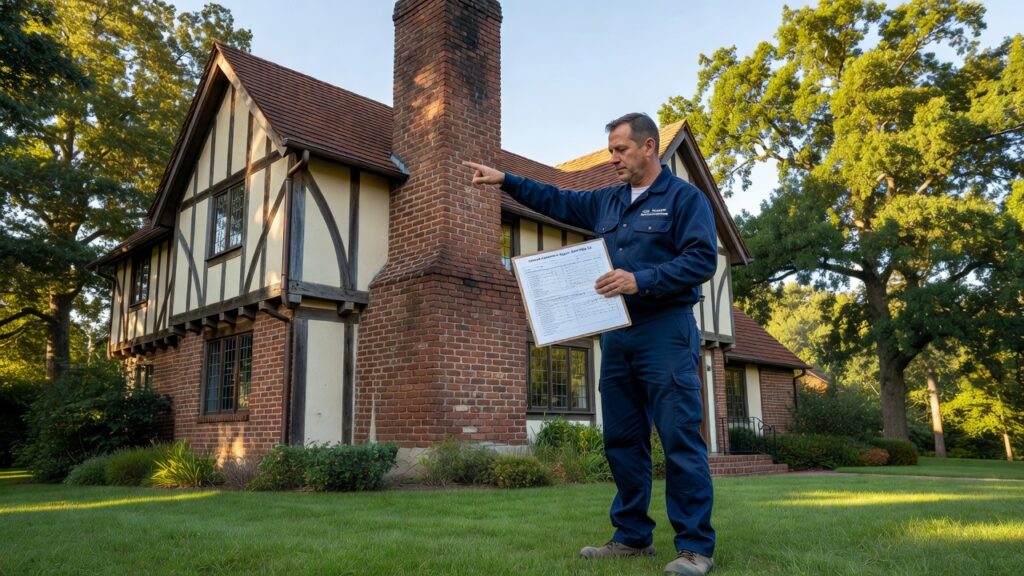
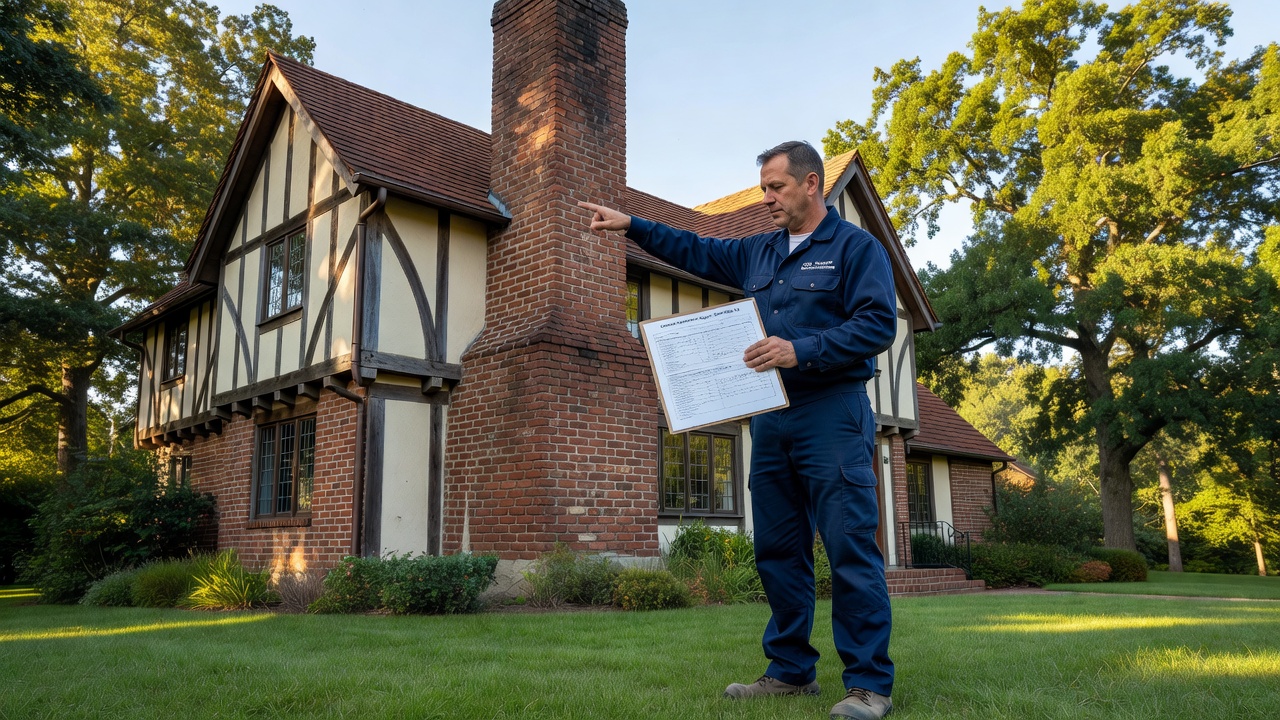
The Tudor and Colonial homes along Hobart Avenue, Old Short Hills Road, and the Hartshorn neighborhood were built with character, and most of them have chimneys that reflect decades of use. Some have been relined. Some have not. A few have prefab fireboxes that were installed when the original masonry deteriorated and now need their own type of annual check. The age and style of the house genuinely changes what a thorough inspection involves, and that’s a detail a generic national chain won’t think to ask about when they’re booking appointments three towns away.
Season by Season: The Best and Worst Times to Book
Late summer, August through mid-September
This is the best window to schedule a fireplace inspection in Short Hills NJ. Our fall booking calendar fills faster every year, and homeowners who call in August get their pick of dates, often a same-week appointment. The inspection happens while the system has been idle long enough for any moisture damage from spring rains to show up clearly in the flue lining. If repairs are needed, a masonry contractor has weeks of warm, dry weather to complete them before the first fire of the season.
October and early November
Good, but you’ll wait. This is when the phones get busy across Millburn, Livingston, and Chatham. Homeowners see the first cold weekend coming and realize the fireplace hasn’t been used since March. Appointments are still available, but scheduling takes longer, and if your inspection turns up a problem, the repair window before cold weather is tighter.
Mid-November through December
We’ll still schedule inspections during this period, and sometimes it’s unavoidable, especially before a real estate closing. But this is the worst time to discover a cracked flue tile or deteriorated crown, because material curing times shrink in cold weather and some repairs need to wait until spring. You may end up going the whole winter without using the fireplace. That’s a frustrating outcome that August scheduling prevents entirely.
January through March
Inspections during active heating season happen, particularly for homes that are new to a buyer or where a problem has become obvious. If you smell smoke in the living room with the damper open, or you notice white staining on the exterior masonry, don’t wait until spring. Call us. That said, scheduling a routine annual inspection in February is harder and more expensive in time and logistics than doing it before the season starts. The Chimney Safety Institute of America is clear that the leading cause of chimney fires is creosote buildup, and that cleaning should happen on a regular annual cycle, not reactively after a problem develops.
April through July
This is an underused window, and a good one. The fireplace is cold, appointments are easy to get, and any masonry repairs from the previous winter can be assessed and scheduled while contractors have open calendars. If you missed the fall window in 2025 and didn’t get your inspection done before winter 2026/2027, booking in spring 2026 still keeps you on an annual cycle heading into the next heating season.
What Happens When You Wait Too Long
Last October, a homeowner on Hartshorn Drive called us after a real estate attorney flagged the chimney on an inspection report. The buyers had requested a Level 2 inspection, which involves a camera scan of the flue, and the report showed a compromised liner and a cracked crown that had been absorbing water for at least two seasons. The repair delay and scheduling pressure nearly pushed back the closing date. The Insurance Information Institute notes that a failed chimney inspection can delay or derail a real estate transaction. In that case, the issue was fixable, but it had to be fixed fast, which is never the best way to do masonry work.
The same situation plays out without a real estate deadline when homeowners burn wood in a system that hasn’t been checked. Creosote builds up in the flue. A chimney fire starts. The damage isn’t always dramatic, it doesn’t always announce itself as a roaring fire you can see from the street. Often it’s a hairline crack in the liner that now lets combustion gases seep into the wall cavity, undetected, until it isn’t.
Choosing the Right Inspector: Credentials and Red Flags
The timing question and the contractor question are connected. Booking a fireplace inspection in Short Hills NJ with the right company in August is better than booking with the wrong company in September. Here’s what to ask before you confirm an appointment.
Ask whether the technician holds a CSIA certification. The Chimney Safety Institute of America trains and certifies chimney sweeps to a documented standard. It’s not the only credential worth having, but it’s the baseline. A company that can’t name the certifications their technicians hold is worth a skeptical follow-up question.
Ask whether the inspection includes a written report. A verbal “looks fine” after someone pokes around the firebox for ten minutes is not an inspection. A proper Level 1 inspection covers the accessible portions of the exterior, the firebox, the smoke chamber, and the flue. A Level 2, typically required for real estate transactions or after any unusual event, adds a video scan of the flue interior. You should receive documentation either way.
Ask what the flat-rate inspection fee covers and what triggers additional charges. Legitimate companies in Millburn and Short Hills are upfront about this. If a company’s pricing only becomes clear after they’re in your home and have found “problems,” that’s a red flag.
Be cautious about companies that have no local presence in Essex County or Union County. A technician driving in from far outside the area to fill a gap in their schedule may not know that the older homes in the Hartshorn section of Short Hills often have exterior chimneys that drain differently than interior flues, or that the tree canopy on certain streets in Maplewood means more debris accumulation than average. Local experience isn’t a marketing phrase. It genuinely changes what a technician looks for.
Schedule Your Fireplace Inspection Before the Rush
Our recommendation for fall 2026 is simple: have your chimney inspected before the end of September. That window gives our team time to complete a thorough inspection, order any parts or materials if repairs are needed, and complete that work before you want to light your first fire of the season. If you have a woodburning fireplace and haven’t scheduled an inspection since last year, or aren’t certain when the last one happened, now is the right time to call.
Short Hills Chimney serves Short Hills, Millburn, Maplewood, Summit, Livingston, Chatham, and surrounding communities in Essex and Union Counties. To schedule your fireplace inspection, call us directly or use the contact form at shorthillschimney.com. We provide a written report after every visit.
Frequently Asked Questions
How much does a fireplace inspection in Short Hills NJ typically cost?
A standard Level 1 inspection from a certified chimney company in Short Hills generally runs between $100 and $200, depending on the scope and the company. A Level 2 inspection, which includes a video scan of the flue and is typically required for real estate transactions or after a chimney fire, runs higher. Be cautious of very low teaser prices that rise sharply once the technician is in your home.
Do I need an inspection if I only use the fireplace a few times a year?
Yes. Infrequent use doesn’t mean zero creosote deposits, and it doesn’t protect the masonry from freeze-thaw damage. NFPA Standard 211 recommends annual inspection regardless of use frequency. An unused fireplace can also develop animal or debris blockages in the flue that create a carbon monoxide risk the first time you light a fire.
What’s the difference between a chimney inspection and a chimney cleaning?
An inspection assesses the structural condition of the firebox, flue, liner, crown, and exterior masonry. A cleaning removes creosote deposits, soot, and debris. The two are related but separate services. Our inspections include a written report on the condition of the system; cleaning is performed based on what the inspection finds. Some systems need cleaning annually, others less often, depending on how much wood is burned and what type.
Related from Short Hills Chimney: Chimney Repair in Short Hills, NJ