
Published November 4, 2026
Chimney Inspection Short Hills NJ: Warning Signs You Shouldn’t Ignore This Fall
A chimney inspection in Short Hills NJ is one of those things homeowners mean to schedule every year and then don’t, until something forces the issue. Last October, a homeowner on Old Short Hills Road called us after spending a weekend with the fireplace going and noticing that the living room smelled like a campfire long after the fire was out. The chimney hadn’t been inspected in at least four years. When our technician went up, he found a heavy glaze of creosote coating the flue and a cracked clay tile that had been shifting for at least two seasons. The homeowner had no idea either problem existed.
That scenario plays out in Short Hills, Millburn, Maplewood, and Summit more than most people expect, especially in the older Tudor and Colonial homes on tree-lined streets where fireplaces are original to the house and may have been burning wood for fifty or sixty years. The National Fire Protection Association Standard 211 recommends that chimneys be inspected at least once a year for soundness, freedom from deposits, and correct clearances. Most of the calls we get happen because a homeowner finally noticed one of the warning signs below and decided it was time to act.
Here is what to watch for, what each sign actually means, and how urgently you need to respond.
Warning Signs That Mean Schedule a Chimney Inspection Now
1. A Persistent Smoky Smell Even Without a Fire
If you walk into your living room on a mild November day and smell smoke, that odor is coming from somewhere. Creosote deposits inside the flue absorb humidity and release a sharp, acrid smell when temperatures change. It can also indicate a draft problem caused by a damaged damper or blockage. This is not a “keep an eye on it” situation. According to the Chimney Safety Institute of America, creosote accumulation is the leading cause of chimney fires, and the smell is often your first indication that buildup has reached a problematic level.
Call a pro now.
2. White Staining on the Exterior Brick
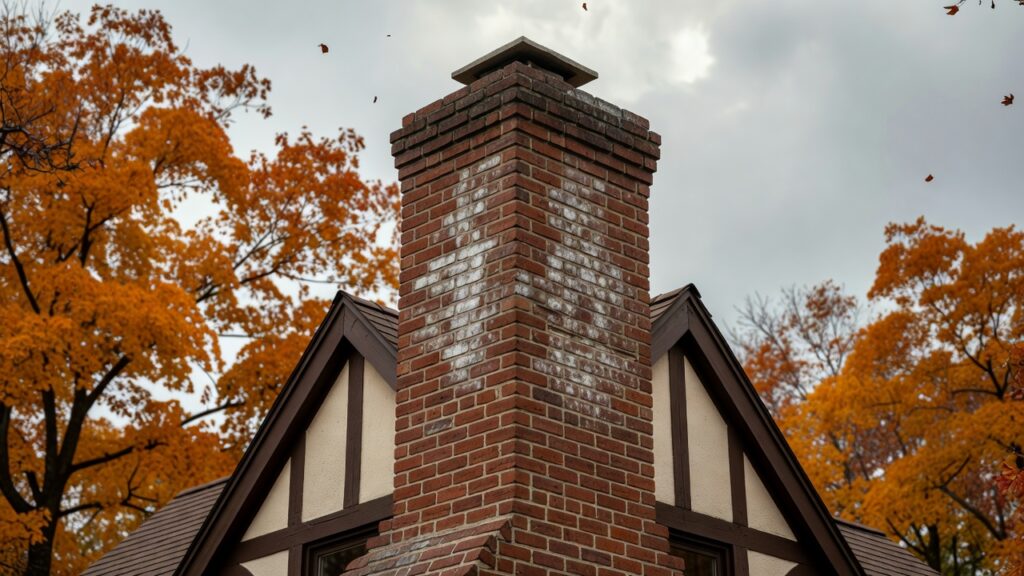
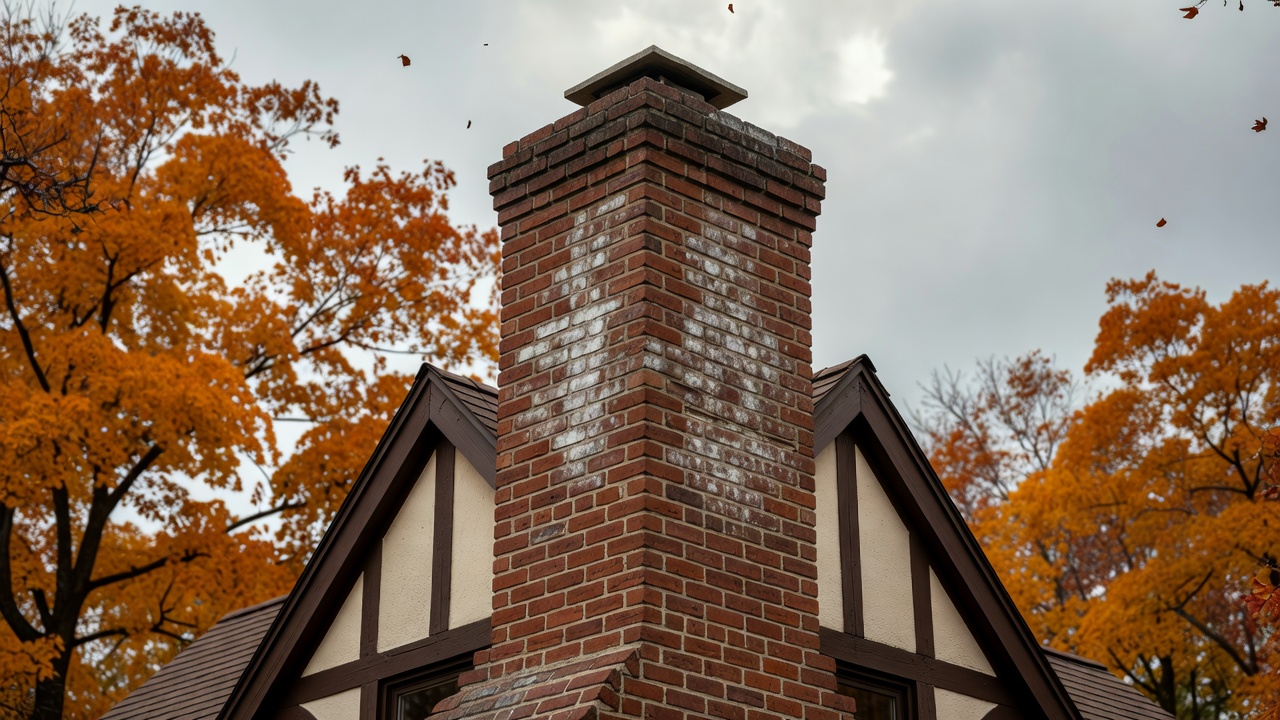
That chalky white powder on the outside of your chimney is called efflorescence. It forms when water moves through masonry, carries soluble salts to the surface, and then evaporates. The stain itself is cosmetic, but the process behind it is not. Water is getting into the masonry, which means mortar joints, the crown, or the flashing is compromised. Left alone through a New Jersey winter, the freeze-thaw cycle will push those cracks wider. According to the National Chimney Sweep Guild, New Jersey’s freeze-thaw climate cycles are among the most damaging to masonry chimneys, and efflorescence is one of the clearest early warnings.
Schedule an inspection before the first hard frost.
3. Visible Cracks in the Mortar Joints or Chimney Crown
Stand back and look at the top of your chimney from the yard. If you can see gaps between the bricks or chunks missing from the flat concrete cap at the top, water is already getting inside the structure. Many Short Hills and Chatham homeowners discover this during a gutter cleaning or roof inspection and assume it’s purely cosmetic. It’s not. A cracked crown allows water directly into the flue, which accelerates tile deterioration and can lead to carbon monoxide migration into the living space.
Call a pro now.
4. Black Staining Around the Firebox Opening
Some darkening on the inside face of the firebox is normal. Black soot smearing out onto the facing stone or brick around the opening is not. It usually means the fireplace is not drawing properly, which could point to a blockage, a closed or damaged damper, or a flue that is undersized for the firebox. Homes in Millburn and Livingston with original fireplaces that were later converted to wood burning inserts sometimes have this problem because the flue was never properly rellined.
Keep an eye on it after one fire. If it repeats, call a pro.
5. Loose or Missing Flashing Where the Chimney Meets the Roof
Flashing is the metal seal between the chimney’s masonry and your roof deck. When it separates or rusts through, water runs straight down into the ceiling. You may notice water staining on the ceiling near the fireplace wall, or you can sometimes see the gap from the ground if the flashing has pulled away. This is a water intrusion problem as much as a chimney problem, and it rarely repairs itself.
Call a pro now.
6. A Damper That Is Stuck, Loose, or Missing Entirely
If you reach up into the firebox and the damper plate won’t open fully, rattles loose, or is gone, you have a cold air channel running directly from the outside into your home all winter. That raises your heating costs and allows animals and debris into the flue. We find missing dampers regularly in Florham Park and West Orange homes where the fireplace hasn’t been used in years and the original cast iron damper finally corroded through.
Schedule a repair before the heating season starts.
7. Sounds Inside the Chimney: Chirping, Scratching, or Fluttering
Chimney swifts nest in unlined flues in late spring, and squirrels or raccoons can find their way into an uncapped chimney any time of year. If you hear movement inside the flue, do not light a fire. Carbon monoxide from a blocked flue is an invisible hazard. Have the flue inspected and cleared before the fireplace is used again.
Call a pro now, and do not use the fireplace until the flue is clear.
8. Rust on the Damper or Firebox Interior
Surface discoloration is common. Active rust on the damper plate or the steel components inside the firebox means moisture has been getting into the system, likely through a gap in the crown, missing cap, or failed flashing. Rust is a symptom, not the root problem, and tracking down the source requires a full inspection.
Keep an eye on it after rain. If the rust is spreading or the damper won’t seal, call a pro.
9. A Chimney Cap That’s Damaged, Tilted, or Gone
The cap sits at the very top of the flue and keeps rain, leaves, and animals out. Without one, water pours straight into the tile liner every time it rains. We see this frequently after storms in Short Hills, particularly on homes where a large tree branch has clipped the top of the chimney. Sometimes the cap just rusts and falls off. Either way, an open flue in a New Jersey winter is a problem that compounds quickly.
Call a pro now. A new stainless steel cap is a straightforward repair.
The Mistakes That Make These Problems Worse
The most common mistake we see is waiting until the first fire of the season to find out something is wrong. By then, it’s late October or early November, our schedule is full, and a family in Summit or Maplewood is left without their fireplace through the holidays. Booking a chimney inspection in Short Hills NJ before September means you have time to address any repairs before the heating season starts.
The second mistake is assuming a visual check from the yard is enough. Most flue damage, creosote buildup, and liner deterioration is not visible from the ground or even from inside the firebox without a camera. The U.S. Fire Administration reports that heating fires account for approximately 15% of all residential fires, and many of them involve chimneys that looked fine to the homeowner.
The third mistake is treating chimney maintenance as optional for a fireplace that gets light use. Creosote begins forming with the very first fire. A wood burning fireplace used only a handful of times each winter still accumulates deposits and still needs annual inspection. Occasional use does not mean safe use.
Frequently Asked Questions
How much does a chimney inspection in Short Hills NJ typically cost?
A standard Level 1 inspection, which covers the accessible portions of the firebox, damper, and exterior crown and cap, typically runs between $150 and $250 for most Short Hills area homes. A Level 2 inspection, which includes a video scan of the full flue liner, costs more and is required when you’re buying or selling a home, after a chimney fire, or when switching fuel types. Contact us directly for a current quote based on your chimney’s configuration.
How often should I have my chimney inspected if I only use the fireplace a few times a year?
Once a year, regardless of how often you burn. NFPA Standard 211 recommends annual inspections for all chimneys and vents. Even limited use produces creosote, and structural changes like settling, moisture intrusion, and animal activity happen whether the fireplace is in use or not.
Can I schedule a chimney inspection in Short Hills NJ in the fall of 2026?
Fall 2026 is our busiest period. We recommend scheduling your inspection for late August or September 2026 to make sure any repairs can be completed before you need the fireplace. Waiting until October or November means less scheduling flexibility and the possibility of going into winter with an unresolved issue. Reach out early to hold your spot.
Schedule Your Short Hills Chimney Inspection
Smoky odors, white staining on exterior brick, cracked mortar joints, damaged flashing, and rust inside the firebox can all indicate chimney problems that need attention. Even fireplaces used only occasionally require annual inspections to check for creosote buildup, blockages, and hidden structural damage. Identifying these warning signs early can help prevent more extensive repairs and safety concerns during the heating season.
Short Hills Chimney serves Short Hills, Millburn, Maplewood, Summit, Chatham, Livingston, Florham Park, West Orange, and surrounding Essex and Union County communities. Our team can assess your chimney, explain the inspection findings, and recommend the necessary maintenance or repairs before you start using your fireplace.
Schedule your chimney inspection in Short Hills NJ today by visiting shorthillschimney.com or calling us directly. A short visit now can prevent a serious problem in January.
Related from Short Hills Chimney: Chimney Repair in Short Hills, NJ