
Honest Chimney Repair Springfield NJ: 2026 Guide for South Orange Residents
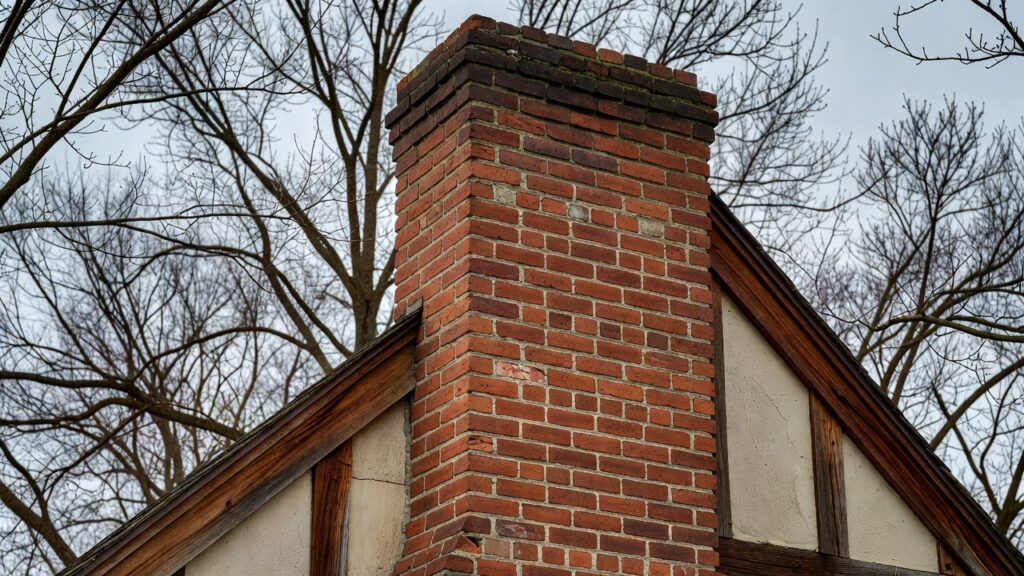
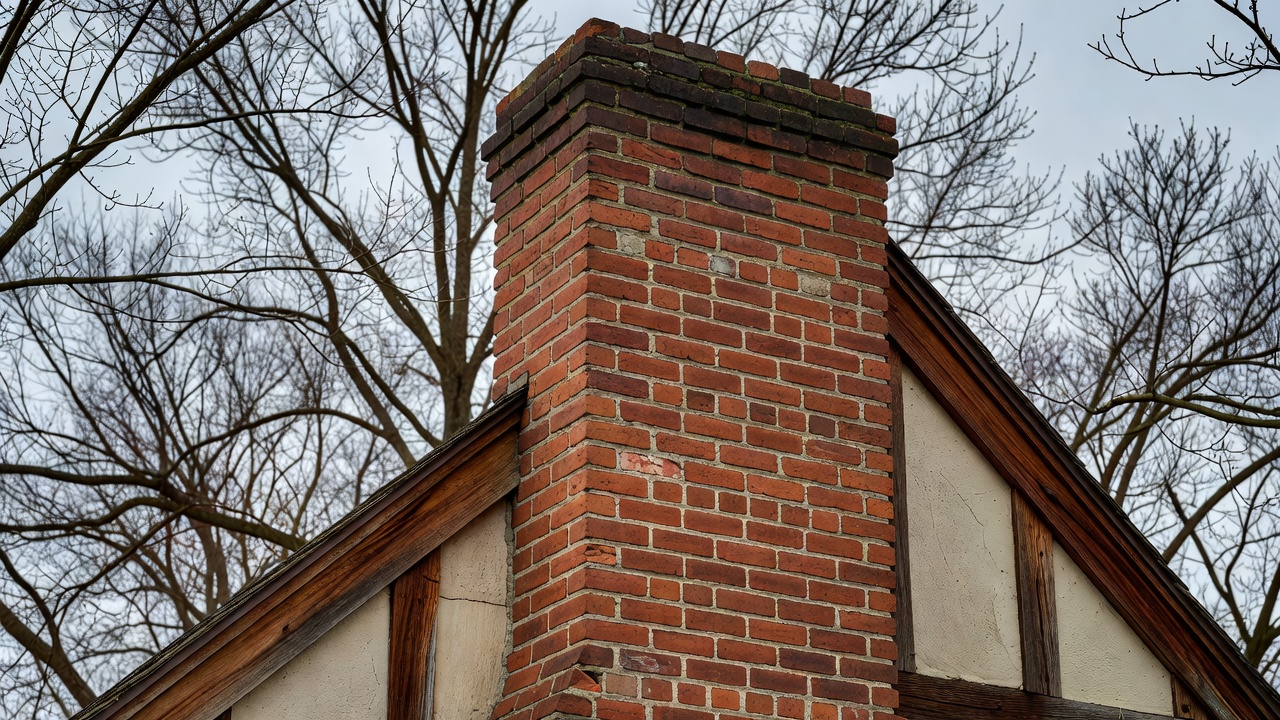
A homeowner on Irvington Avenue in South Orange called us this past March after noticing that a section of mortar had fallen from her chimney onto the back patio. She’d already watched three YouTube videos and was seriously considering renting a scaffolding system to repoint the joints herself. We’re glad she called first. What she thought was a straightforward weekend project turned out to involve a cracked crown and two spalled brick courses just below the flashing line the kind of damage that looks manageable from the ground and reveals itself to be something else entirely once you’re up there. We see this pattern constantly across South Orange, Springfield, and the surrounding Union and Essex County communities, and it’s worth being direct about where the DIY line actually sits and what honest chimney repair Springfield NJ work costs when you hire it out.
What Chimney Repair Springfield NJ Actually Costs in 2026
There is no single number. Any contractor who quotes you a flat fee before climbing a ladder and examining the stack is guessing, and you should treat that quote accordingly. What we can offer is a realistic range based on the work we actually perform in Springfield, South Orange, Maplewood, and the surrounding area.
| Repair Type | Typical Range (2026) |
|---|---|
| Mortar repointing (partial) | $300 – $800 |
| Chimney crown repair or rebuild | $250 – $1,200 |
| Flashing repair or replacement | $400 – $1,500 |
| Full repointing (full chimney) | $1,000 – $3,500 |
| Brick replacement (per section) | $600 – $2,500 |
| Chimney liner repair or relining | $1,500 – $5,000 |
These ranges reflect real jobs in this region. A stately Tudor on Montrose Avenue in South Orange with a double-flue chimney running 25 feet above the roofline is a different job than a single-flue stack on a 1970s split-level in Springfield. Height, access, and the scope of damage all move the number.
What Drives the Cost Up or Down
Height and roof pitch. Our technicians work on a lot of older homes across South Orange and Maplewood where steeply pitched roofs and tall brick stacks require additional staging or ladder work. That physical difficulty is priced honestly into any legitimate quote.
How far the damage has traveled. Mortar joints that have been open through two or three New Jersey winters don’t just affect the surface. Water migrates into the brick, freezes, expands, and fractures. According to the National Chimney Sweep Guild (NCSG), New Jersey’s freeze-thaw climate cycles are among the most damaging to masonry chimneys, causing spalling, cracked crowns, and deteriorating mortar joints that worsen each winter if left unaddressed. Catching damage after one season costs less than catching it after three.
Liner condition. If an inspection reveals that the clay tile liner is cracked or offset, a repair that started as a repointing job now includes liner work. The National Fire Protection Association’s Standard 211 recommends that chimneys, fireplaces, and vents be inspected at least once a year for soundness, freedom from deposits, and correct clearances partly because liner problems often develop silently before any visible exterior damage appears.
Brick type and availability. Many South Orange and Millburn homes were built in the 1920s and 1930s using hand-molded brick that no longer matches anything at a supply house. Sourcing salvaged brick that blends with an existing chimney takes time and costs more than standard replacement brick.
Scaffolding requirements. Some repairs can be done safely with a ladder and standoffs. Others — particularly on three-story Colonials or chimneys with significant horizontal reach across a roofline — require erected scaffolding, which adds to labor and setup time.
Flashing material. Lead-coated copper flashing holds up longer than aluminum and costs more upfront. What a homeowner chooses here affects both the initial invoice and how quickly the next repair will come due.
What’s Included in a Standard Quote and What Isn’t
When we quote a chimney repair job in the Springfield or South Orange area, the estimate covers the specific repair scope identified during inspection: the labor, materials for that repair, and cleanup. What it does not automatically include: a full interior liner inspection unless that was part of the original assessment, waterproofing sealant applied to the full chimney exterior, a new cap or damper if the existing ones are functional, or any interior firebox work that wasn’t visible until access was gained.
We walk every customer through exactly what is and isn’t in the number before any work starts. If we find something additional once we’re up on the chimney, we stop and call before proceeding. That’s not the industry standard everywhere, but it’s ours.
Where DIY Ends and a Pro Has to Take Over
Here’s the straight answer, because the homeowner on Irvington Avenue deserves it and so do you.
A homeowner can reasonably handle light cosmetic caulking around a cleanout door, clearing debris from a chimney cap screen, or keeping the firebox clean. These are low-stakes tasks with no structural consequence if done imperfectly.
Everything else belongs to a trained technician. Repointing looks simple — mix mortar, press it in — but the wrong mortar mix for historic soft brick causes the brick face to spall faster than if you’d left the open joints alone. Flashing that isn’t properly integrated with the roofing membrane will leak within a season. And nobody should be diagnosing liner integrity from the firebox floor with a flashlight. According to the Chimney Safety Institute of America (CSIA), the leading cause of chimney fires is the accumulation of creosote, but compromised liner systems are what allow those fires to breach containment and spread to the structure. That is not something a YouTube tutorial protects against.
The financial argument for DIY collapses quickly when a homeowner in Chatham or Livingston attempts a repair, does it wrong, and then needs a professional to undo the damage before doing the correct repair. We’ve seen it happen more than once, and the corrective job always costs more than the original would have.
One Honest Way to Avoid Overpaying
Get the inspection before you get the quote. Some contractors will hand you a repair estimate based on what they can see from the driveway. A proper Level II chimney inspection which includes camera assessment of the flue gives you an actual picture of what’s wrong. You can then get quotes based on a defined scope, compare them fairly, and avoid paying to fix something that either doesn’t need fixing or is masking a larger underlying problem. The inspection fee is real money, but it’s the only reliable way to know what you’re actually buying.
Frequently Asked Questions
How do I know if my chimney repair in Springfield NJ needs a permit?
In Springfield and South Orange, structural chimney repairs including full repointing, crown replacement, and liner relining typically require a permit through the local building department. Cosmetic or maintenance-level work usually does not. We handle the permit research as part of our scoping process, so homeowners aren’t surprised by a stop-work order. When in doubt, ask your contractor before work begins.
Can I get chimney repair done in winter in New Jersey?
Some repairs can be performed in cooler temperatures, but mortar-based work repointing, crown rebuilds, brick replacement requires temperatures consistently above 40°F during application and curing. New Jersey winters make this window unpredictable. We schedule masonry repair work in early fall or spring when possible, and we’re honest when a mid-winter inspection says a repair should wait rather than be rushed and fail.
Does homeowner’s insurance cover chimney repair in South Orange or Springfield?
It depends on the cause. Sudden, accidental damage — a tree limb falling through the chimney crown, for example — is typically covered. Gradual deterioration from deferred maintenance is almost never covered. The Insurance Information Institute notes that a failed chimney inspection can delay or derail a real estate transaction, which is another reason to document regular maintenance. Keep records of every inspection and repair; they matter both for claims and for resale.
Schedule Your Springfield Chimney Repair Inspection
Our team serves South Orange, Springfield, Maplewood, Summit, Millburn, and the surrounding Essex and Union County communities. If you’ve noticed crumbling mortar, a damaged crown, water stains in the firebox, or anything else that doesn’t look right on your chimney, call us or reach out through shorthillschimney.com to schedule an inspection. We’ll tell you exactly what’s there, what it costs to fix, and what — if anything — you can reasonably leave alone. No pressure, no padding the scope, just an honest assessment from people who work in this community every day.
Related from Short Hills Chimney: Trusted Chimney Sweep New Providence NJ · Trusted Chimney Inspection New Providence NJ