
Smart Chimney Cap Installation Short Hills NJ: 2026 Guide for Short Hills Residents
Most homeowners only think about chimney cap installation in Short Hills NJ after something goes wrong — a raccoon in the flue, a soaked firebox after a nor’easter, or a sweep who points to rust staining inside the liner during an annual inspection. By that point, the damage is already done, and what would have been a straightforward $200–$400 cap installation has turned into a $1,500 liner repair or a masonry crown rebuild. We see this pattern every season across Short Hills, Madison, Millburn, and the surrounding communities, and it frustrates us every time because it is almost always preventable.
The good news is that chimney cap installation in Short Hills NJ is one of the simplest, most cost-effective things a homeowner can do to protect a significant piece of their home’s infrastructure. The bad news is that a handful of stubborn misconceptions keep people from acting at the right time. We want to clear those up.
What Homeowners Keep Getting Wrong About Chimney Caps
A homeowner in Madison called us last November a week before Thanksgiving, when our schedule was essentially full asking whether we could fit in a cap installation before the holiday. She had noticed water in the firebox after a hard rain, and her husband had suggested maybe the cap had blown off. It had. What she didn’t know was that the flue tile had been slowly absorbing moisture for at least one full season without any cap in place, and the freeze-thaw cycles that hit Morris and Essex County every winter had already started cracking the clay liner at the top section. The cap itself cost her $280 installed. The liner repair she needed on top of that cost $900. A simple fall inspection a year earlier would have caught the missing cap before winter did its work.
That story is more common than it should be, and it almost always traces back to one of the same misconceptions we hear repeatedly from homeowners between Chatham and West Orange.
Waiting Until Spring Makes Sense
This is probably the most expensive mistake we see. The thinking goes: we’re done using the fireplace, so we’ll deal with the chimney in the spring when things quiet down. The problem is that the damage happens during the winter, not after it. According to the National Chimney Sweep Guild (NCSG), New Jersey’s freeze-thaw climate cycles are among the most damaging to masonry chimneys — water enters through an uncapped or improperly capped flue, gets into the mortar joints and tile, freezes overnight, and expands. By April, what was a hairline crack is now a gap wide enough to let carbon monoxide migrate. Booking chimney cap installation in the fall — ideally September or October — means the cap is in place before the first hard frost, not after. Our fall 2026 schedule typically fills by mid-October for the Short Hills and Millburn area. Spring slots are available, but they come with the hidden cost of a winter’s worth of unchecked moisture damage.
Any Cap from a Home Improvement Store Will Do the Job
We understand the appeal. A galvanized steel cap at a big-box store in Springfield or Summit might run $35–$60, and it looks functional enough. What those caps don’t account for is flue sizing, draft dynamics, and the specific pitch and parapet configurations common on the older Tudors and Colonials throughout Short Hills and Maplewood. A cap that doesn’t fit the exact flue dimensions will either allow rain to enter at the edges or restrict draft enough to push smoke back into the house. Stainless steel caps with appropriate mesh sizing and a proper lock-down or mortar-set installation last 20 years or more. A cheap galvanized cap in a NJ climate might last three. The per-year cost difference is significant when you do the actual math.
A Cap Is Just for Keeping Animals Out
This one is true but wildly incomplete. Yes, a properly installed stainless mesh cap will stop squirrels, raccoons, and starlings from nesting in the flue something we deal with constantly on the older homes along Hobart Avenue and throughout the Deerfield neighborhood in Short Hills. But the more important function is moisture control. The U.S. Fire Administration reports that heating fires account for approximately 15% of all residential fires, and deteriorated chimney components driven largely by unchecked water intrusion are a significant contributing factor. A cap keeps rain and snow out of the flue, protects the smoke chamber and firebox from direct water contact, and extends the life of the liner. Animal exclusion is almost a secondary benefit.
If the Fireplace Is Working Fine, Nothing Needs to Be Done
This is where we have to be direct with homeowners. A fireplace that draws well and produces no visible smoke in the living room gives you almost no information about the condition of the cap, the crown, or the upper flue tiles. The National Fire Protection Association Standard 211 recommends that chimneys be inspected at least once a year for soundness, freedom from deposits, and correct clearances — not only when something seems wrong. We have been on jobs in Livingston and Florham Park where a homeowner had used their fireplace comfortably for three seasons while a missing cap let in enough water to rot the damper frame completely. The fireplace worked fine right up until it didn’t.
Cap Installation Is a DIY Weekend Project
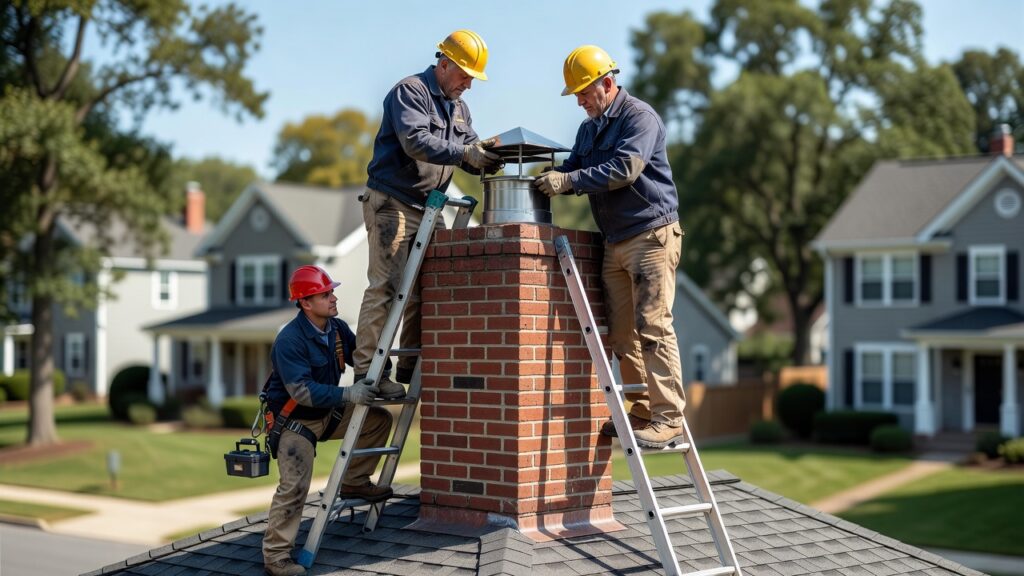
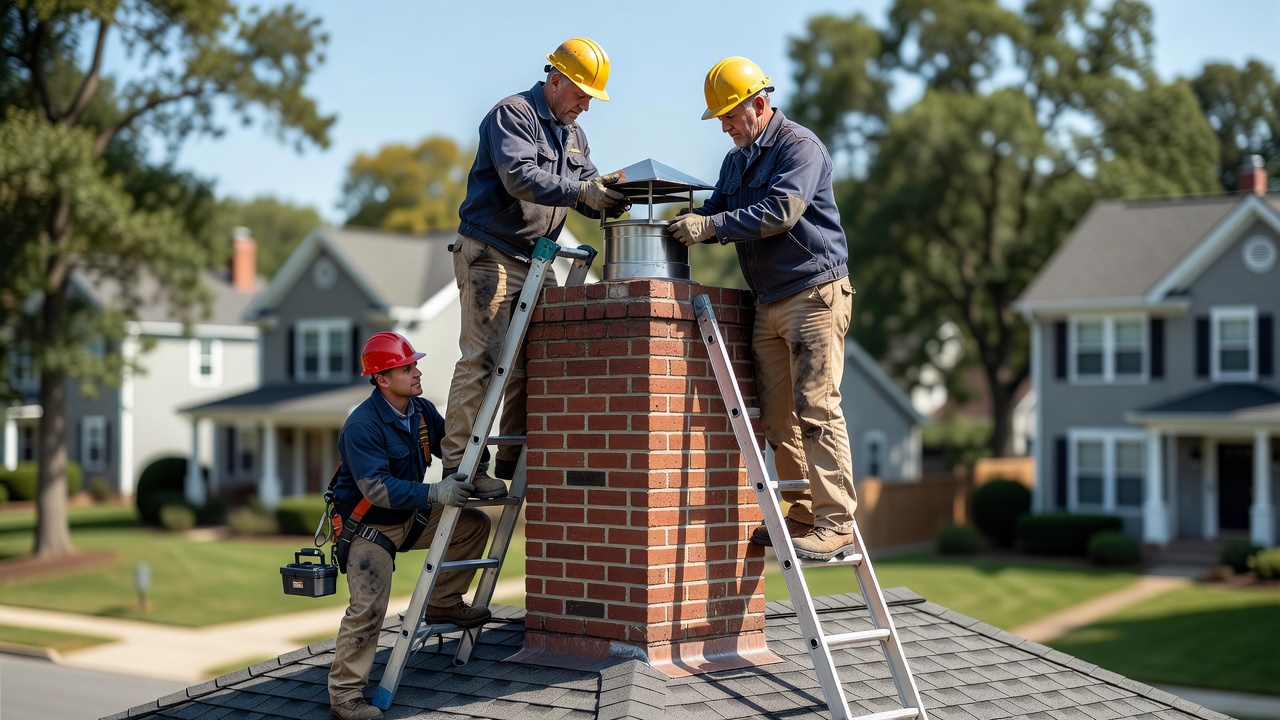
Some homeowners look at a chimney cap and figure it’s basically like installing a vent cover. The issue isn’t the cap itself — it’s everything that happens during the installation. A proper cap installation includes measuring the exact flue dimensions, inspecting the crown for cracks that would undermine the cap’s seal, checking the existing cap or mortar collar if one is in place, and selecting the right cap style for the chimney’s draft characteristics. On a two-story Colonial in Short Hills or a three-chimney Tudor in Madison, this means working at meaningful height on a roof with specific pitch conditions. Beyond the safety question, an incorrectly installed cap that rocks, gaps, or isn’t sealed to the crown will let in water and eventually corrode the liner — defeating the entire purpose. The labor cost for professional installation is genuinely worth it.
One Cap Covers the Whole Chimney
This surprises homeowners regularly. Many older homes in the Short Hills and Millburn area have multi-flue chimneys — two, three, or even four separate flue tiles serving different appliances. Each flue opening needs its own cap or a properly sized multi-flue cap that covers all openings under a single chase cover. We’ve inspected chimneys where one flue was capped and the adjacent uncapped flue had been quietly soaking the shared masonry for years. According to the Chimney Safety Institute of America (CSIA), the accumulation of moisture-related damage is one of the leading causes of premature chimney failure — and it almost always starts with incomplete or inconsistent cap coverage.
The Real Cost of Timing This Wrong
A chimney cap, professionally installed on a single-flue chimney in the Short Hills area, typically runs between $200 and $450 depending on flue size, cap material, and crown condition. A liner repair runs $800 to $2,000. A full crown rebuild runs $500 to $1,500. Water damage to a smoke chamber or firebox can reach $3,000 or more. None of those downstream costs are hypothetical — they’re what we quote homeowners who waited, and they’re almost always tied back to an uncapped or improperly capped flue. Booking a cap installation and inspection in September or October 2026, before the first hard freeze, is the math that actually works in your favor.
If you’re in Short Hills, Madison, Millburn, Chatham, or anywhere across Essex and Morris County and you’re not certain whether your cap is intact, fitted correctly, or covering every flue opening, reach out to our team at Short Hills Chimney. We’ll take a look before the season locks in and make sure you’re not paying for a winter’s worth of avoidable damage come spring.
Frequently Asked Questions
How much does chimney cap installation in Short Hills NJ typically cost?
For most single-flue chimneys in the Short Hills and Madison area, professional chimney cap installation runs between $200 and $450. The range depends on flue dimensions, cap material — stainless steel is strongly preferred over galvanized in our climate — and whether the crown needs any prep work before the cap can be properly seated. Multi-flue chimneys or chimneys requiring a full chase cover will run higher. We provide firm quotes before any work begins.
What is the best time of year to schedule chimney cap installation?
Early fall — September through mid-October — is the ideal window for homeowners across Short Hills, Millburn, and the surrounding communities. The cap is in place before freeze-thaw cycles begin, and our schedule still has availability. By late October and November, slots fill quickly as heating season approaches. Spring installation is better than no installation, but it means your chimney has already been exposed to a full New Jersey winter without protection.
Can I tell if my chimney cap needs replacement without getting on the roof?
Sometimes. Water staining inside the firebox after rain, rust on the damper, or debris and animal sounds in the flue are all signs worth investigating. But in many cases, a cap can be rusted through, loose, or entirely missing without any obvious interior symptoms especially early in the process. The only reliable method is a visual inspection from roof level or with a camera. We include cap inspection as part of our standard annual sweep appointment, and we photograph what we find so you can see exactly what we’re looking at.
Related from Short Hills Chimney: Smart Dryer Vent Cleaning Short Hills NJ · Urgent Chimney Sweep Short Hills NJ