
Urgent Chimney Sweep Short Hills NJ: 2026 Guide for Berkeley Heights Residents
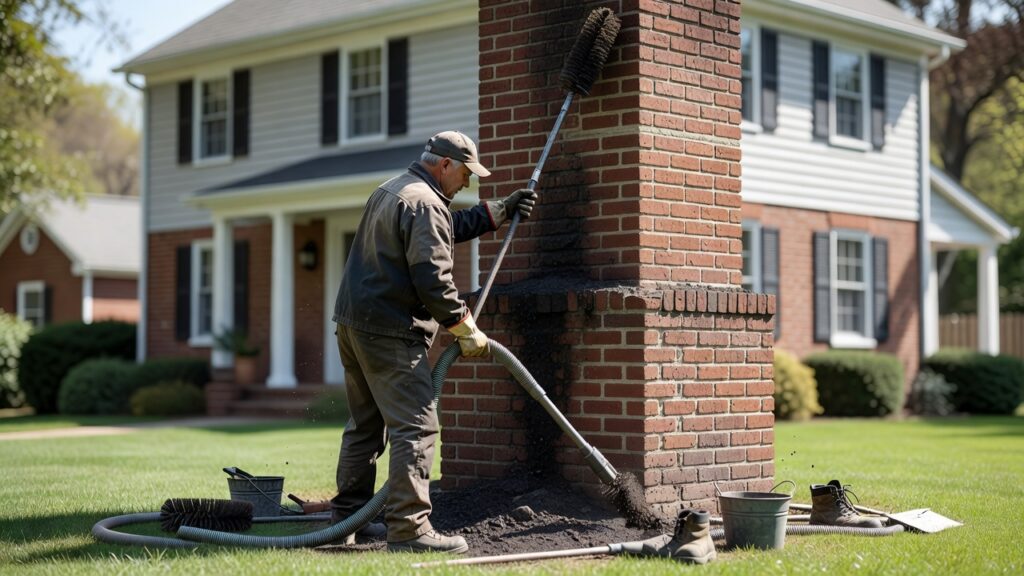
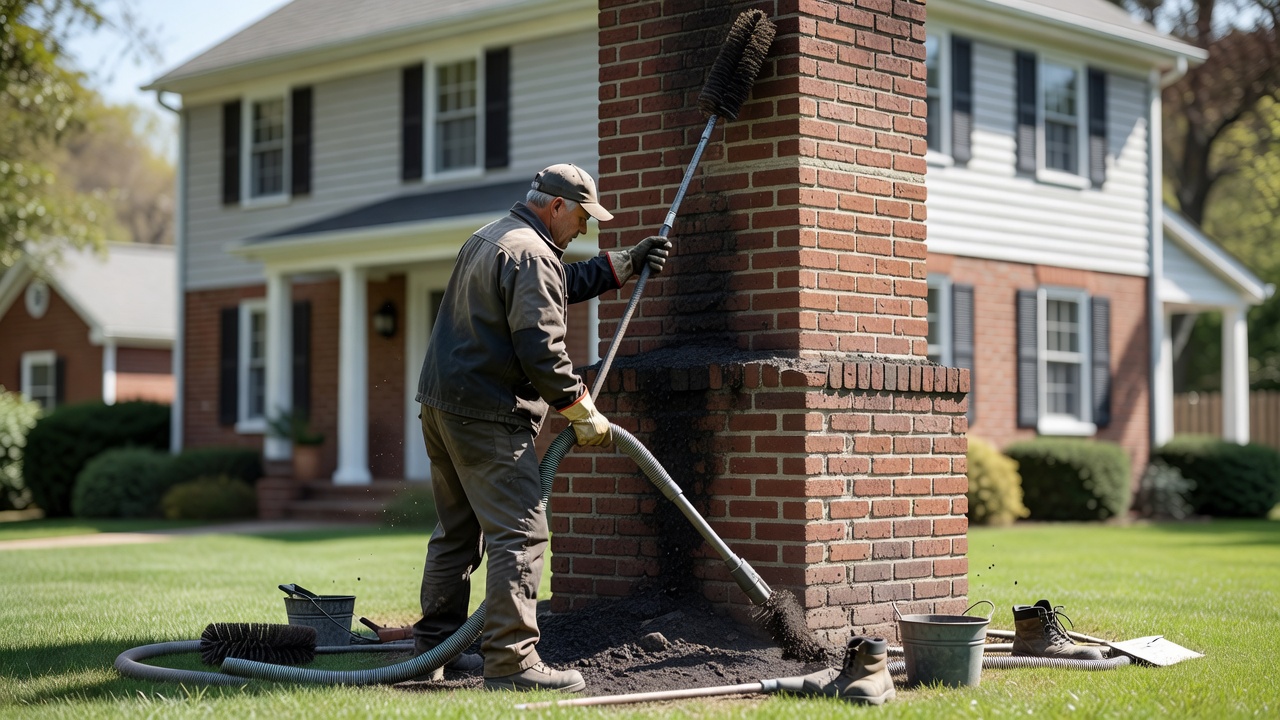
Most chimney problems don’t announce themselves with a bang. They build quietly behind brick and mortar, invisible until smoke backs into a living room, a crown cracks through over a wet winter, or a liner fails during the one night a family actually needs the fire. Our team at Short Hills Chimney has been pulling these problems apart in homes across Berkeley Heights, Short Hills, Millburn, and Summit for years, and the pattern is always the same: the warning signs were there months before the call came in. A chimney sweep Short Hills NJ homeowners and Berkeley Heights residents can actually trust isn’t just someone who runs a brush down a flue it’s a technician who can read what the soot, the masonry, and the draft are telling them.
Last fall, a homeowner on Plainfield Avenue in Berkeley Heights reached out after smelling something acrid every time they lit a fire in their wood-burning insert. They’d had the fireplace for eleven years and never once had it serviced. When our technician arrived and ran a camera into the flue, we found a stage-two creosote glaze coating the upper third of the liner, a hairline crack in the clay tile at the smoke chamber, and a cap so corroded it was barely holding on. Any one of those issues alone would have warranted the call. Together, they represented a real fire risk sitting inside the walls of a family home.
This is the kind of diagnostic work that actually matters. Below, we walk through the problems we find most often in Berkeley Heights and surrounding communities what the symptoms look like, what’s actually causing them, and what it takes to fix them properly.
The Six Problems a Chimney Sweep Short Hills NJ Technician Diagnoses Most
1. Heavy Creosote Accumulation
Symptoms: A sharp, tar-like smell during or after fires. Reduced draw. Visible dark staining on the damper or smoke shelf.
Cause: Incomplete combustion. This happens when wood is burned too cool — either because it’s unseasoned, the damper is partially closed, or the firebox is undersized for the insert. The partially burned gases cool as they rise and condense as creosote on the liner walls.
The fix: Stage-one creosote is powdery and brushes out during a standard sweep. Stage two is flaky and crunchy — it requires more aggressive mechanical brushing. Stage three is a hardened glaze that bonds to the liner surface and typically requires chemical treatment before any brush can touch it. We determine which stage we’re dealing with before we pick up a single tool, because the wrong approach on stage-three deposits can leave pockets of material behind that are worse than what you started with.
According to the Chimney Safety Institute of America (CSIA), creosote accumulation is the leading cause of chimney fires in the United States. Approximately 25,000 chimney fires occur each year, with tens of millions in resulting property damage. That number drops dramatically with consistent annual maintenance.
Can it be prevented? Yes — burn only seasoned hardwood, keep the damper fully open during fires, and schedule a sweep annually.
2. Cracked or Deteriorating Flue Liner
Symptoms: Smoke odor in rooms adjacent to the chimney chase, even when the fireplace isn’t in use. Visible black staining on exterior masonry.
Cause: Clay tile liners, common in the older Colonial and Tudor homes throughout Berkeley Heights and neighboring Chatham, expand and contract with every heating cycle. Over fifteen or twenty years, the mortar joints between tiles fail. The tiles themselves can crack from a chimney fire the homeowner never knew happened — even a brief, low-temperature chimney fire is enough to fracture clay.
The fix: A video inspection identifies where the breaks are and how extensive. Minor joint failures can sometimes be addressed with a high-temperature mortar repair process called tuck-pointing of the liner. More significant damage typically requires either a stainless steel liner relining or a cast-in-place liner system. We don’t guess — we camera first.
Can it be prevented? Annual inspections catch early joint failure before it becomes a full relining job.
3. Spalling Brick and Failed Mortar Joints on the Exterior
Symptoms: Small chunks of brick or sandy debris appearing on the roof or at the base of the chimney. Visible gaps in mortar joints. White efflorescence staining on the exterior face.
Cause: Water gets into porous brick and mortar, freezes, expands, and mechanically breaks the masonry from within. According to the National Chimney Sweep Guild (NCSG), New Jersey’s freeze-thaw climate cycles are among the most destructive to masonry chimneys in the country. Berkeley Heights typically sees thirty or more freeze-thaw cycles between November and March. Each one does a little more damage.
The fix: Tuck-pointing the deteriorated joints stops further water intrusion. Severely spalled brick faces need replacement. After repairs, a vapor-permeable masonry waterproofer not a standard paint or sealer — is applied to let the chimney breathe while blocking liquid water.
Can it be prevented? A quality waterproofing application every five to seven years extends masonry life significantly.
4. Damaged or Missing Chimney Cap
Symptoms: Animals in the flue. Rust staining on the damper. Water inside the firebox after rain. Debris accumulation at the smoke shelf.
Cause: Galvanized caps corrode. Some homes in Berkeley Heights and Livingston that we service still have factory-original caps from the 1970s or 1980s — they’re long past service life. A missing or failed cap turns the flue into an open funnel for rain, leaves, and wildlife.
The fix: Replacement with a stainless steel or copper cap, sized correctly to the flue dimensions and secured properly to the crown. If animals have already nested inside, we clear the obstruction before any other work proceeds — an undetected obstruction is a carbon monoxide risk.
Can it be prevented? Stainless caps carry a lifetime warranty and essentially eliminate this category of problem.
5. Crown Cracks and Crown Failure
Symptoms: Visible cracks across the top concrete surface of the chimney. Water dripping into the firebox from the top down rather than from the liner joints.
Cause: The crown — the concrete cap that spans the top of the chimney stack — is often poured too thin by builders. When it’s less than two inches at the edges, it flexes slightly under thermal and freeze-thaw stress and eventually cracks. Once cracked, water channels straight down into the chase.
The fix: Minor cracks take a flexible elastomeric crown sealant. Crowns that have failed structurally need to be broken out and replaced entirely with a properly formed concrete crown that overhangs the brick and slopes outward for drainage.
Can it be prevented? Yes — early-stage crown cracks are a ten-minute fix. Left for another winter, they become a full rebuild.
6. Downdraft and Negative Pressure Draft Problems
Symptoms: Smoke rolls back into the room at startup. The fire is difficult to establish. Smell of smoke even with the damper open.
Cause: This one requires actual diagnostic reasoning because the causes vary. The flue may be undersized for the firebox opening. Tall trees near the roofline a common situation in Short Hills and Berkeley Heights with their mature canopy can create negative pressure zones that push air down the chimney. Tightly sealed modern renovation work can depressurize the interior of the home. Sometimes it’s a combination of all three.
The fix: We assess the firebox-to-flue ratio, check for nearby obstructions, and evaluate the home’s air balance. Solutions range from installing a top-mount damper with a draft inducer to modifying the firebox throat to improve draw. We don’t apply a one-size answer to a problem that has half a dozen possible causes.
Can it be prevented? Proper installation and an annual sweep catch draft geometry issues early. Significant renovations — new windows, added insulation — should prompt a draft re-evaluation.
Why Delaying Costs More Than the Service
The National Fire Protection Association’s Standard 211 is unambiguous: chimneys should be inspected at least once a year for soundness, freedom from deposits, and correct clearances. That standard exists because the consequences of skipping it aren’t abstract. A cracked liner can allow combustion gases — including carbon monoxide — to migrate into living spaces. A creosote glaze fire can hit temperatures above 2,000 degrees Fahrenheit and compromise a chimney structure in under thirty minutes. The U.S. Fire Administration reports that heating appliances, including chimneys and fireplaces, contribute to roughly 15% of all residential fires. These are preventable numbers.
We work in Berkeley Heights, Millburn, Summit, Chatham, and communities throughout Essex and Union Counties. The homes here are older, the winters are genuinely hard on masonry, and a lot of these fireplaces have been used for decades without professional attention. That combination makes the stakes real. A sweep and inspection is not an upsell — it’s the only way to know what’s actually happening inside a system you can’t see from the outside.
Frequently Asked Questions
How often should I schedule a chimney sweep in Berkeley Heights or Short Hills?
The CSIA and NFPA both recommend at least once annually, regardless of how frequently you use the fireplace. Even a chimney that hasn’t been used all season should be inspected animals, moisture, and structural changes don’t take the year off. For homeowners burning wood regularly through a New Jersey winter, a fall sweep before the first fire of the season is the right baseline.
What does a professional chimney sweep actually look for beyond removing soot?
A thorough sweep includes a visual or video inspection of the flue liner, smoke chamber, damper, firebox, crown, cap, and exterior masonry. Our technicians are looking for creosote classification, liner integrity, mortar joint condition, signs of water infiltration, and any obstructions. Cleaning is part of the visit but the diagnostic is what actually protects the home.
Can chimney problems affect a home sale in New Jersey?
They can and do. The Insurance Information Institute notes that a failed chimney inspection can delay or derail a real estate transaction. Buyers’ inspectors routinely flag chimney deficiencies, and lenders sometimes require repairs before closing. We work with homeowners throughout Berkeley Heights, Short Hills, and Millburn who need pre-listing inspections and documentation a clean report is a real asset when you’re under contract.
Schedule Your Short Hills Chimney Sweep
If something about your fireplace or chimney has been nagging at you a smell, a sound, smoke that doesn’t draw right, masonry that looks worse than last year don’t wait through another season to find out what it is. Our team at Short Hills Chimney serves Berkeley Heights, Short Hills, Millburn, and the surrounding communities. Reach out through shorthillschimney.com to schedule an inspection or sweep. We’ll tell you exactly what we find and exactly what it needs no guessing, no padding the estimate.
Related from Short Hills Chimney: Trusted Chimney Inspection Berkeley Heights NJ · Trusted Chimney Sweep New Providence NJ