
Smart Chimney Repair Summit NJ: 2026 Guide for South Orange Residents
Most homeowners assume anything chimney-related is off-limits without a professional on site. That’s not quite right and we’d rather be straight with you than scare you into a service call you don’t need. At the same time, chimney repair in Summit NJ and across the South Orange area produces some of the costliest callbacks we see, almost always because someone tackled the wrong job themselves or used the wrong materials. Knowing which side of that line you’re on matters.
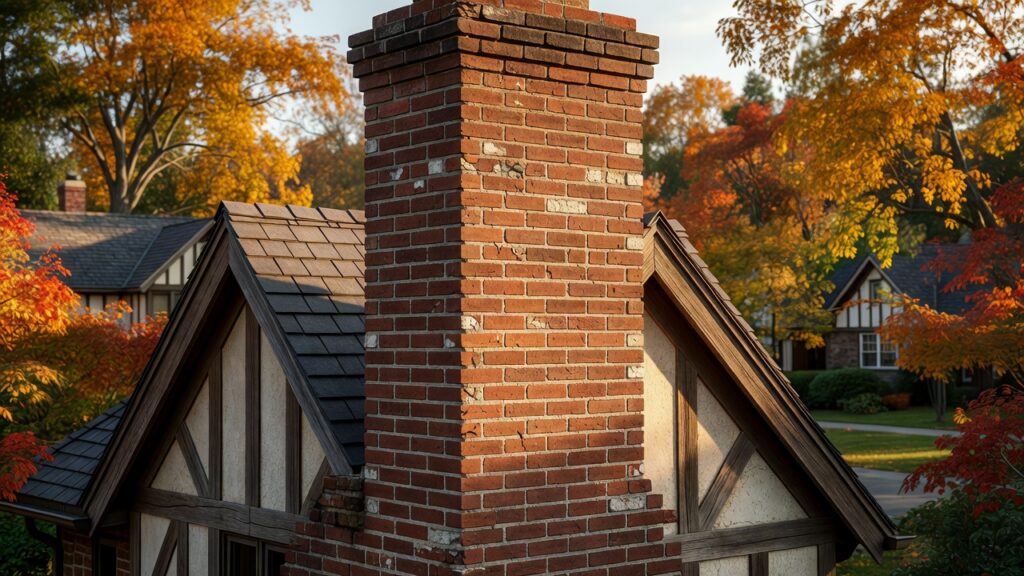
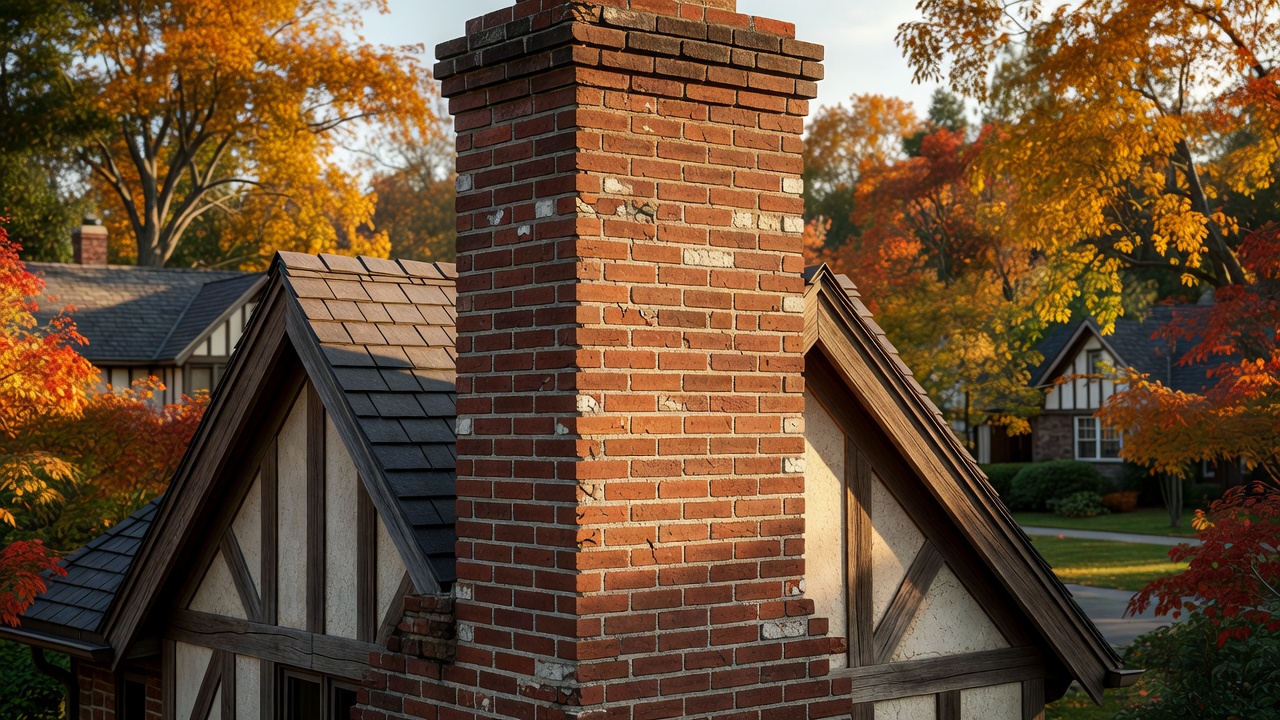
Our crew works throughout Summit, South Orange, Maplewood, Millburn, and Short Hills. The housing stock here Victorian-era colonials along Scotland Road, 1920s Tudors in South Orange’s Newstead neighborhood, mid-century center-halls in Livingston puts a specific kind of wear on masonry chimneys. Older lime-based mortar. Decorative crowns that were never engineered for decades of New Jersey freeze-thaw. Brick that’s been painted over twice and is now trapping moisture. We see the same patterns year after year, and a lot of them started as well-intentioned DIY repairs.
What Happens When the Fix Goes Wrong
Last fall, a homeowner on Ridgewood Road in South Orange called us after noticing dark staining above the firebox and a persistent smoky smell even when the damper was fully open. She’d had a handyman repoint the chimney the previous spring he’d used a standard Portland cement mortar, the kind you’d use on a garden wall or a driveway. By October, two courses of brick had started to spall and the new mortar had cracked clean through in four places. The freeze-thaw cycles between March and April had done the damage in less than eight months.
The repair bill was roughly three times what a proper tuckpointing job would have cost in the first place. That’s not a knock on the homeowner she asked reasonable questions and hired someone who said he knew chimneys. But chimney masonry has specific requirements that most general contractors don’t train for, and the consequences of getting it wrong compound every winter.
According to the National Chimney Sweep Guild (NCSG), New Jersey’s freeze-thaw climate cycles are among the most damaging to masonry chimneys in the country, causing spalling, cracked crowns, and deteriorating mortar joints that worsen each winter if left unaddressed. That’s not a sales pitch it’s the physics of water expanding inside porous brick.
What a Capable Homeowner Can Safely Handle
We’re not going to tell you that cleaning ash out of your firebox requires a licensed chimney sweep. Here’s where a handy homeowner can add real value without creating liability:
- Firebox cleaning. Removing ash and debris from the firebox itself is straightforward. Use a metal ash bucket, wait at least 24 hours after the last fire, and keep a vacuum rated for fine ash. Nothing about this task creates a safety risk if done carefully.
- Damper operation check. Open and close the damper yourself. If it sticks, rattles, or won’t seal, note it — that’s useful information for your sweep and a simple thing to observe firsthand.
- Visual inspection from ground level. Binoculars from the yard can tell you whether the chimney cap is missing, whether there’s obvious brick displacement, or whether vegetation is growing in the mortar joints. You don’t need to climb anything to gather that information.
- Chimney cap replacement (ground-level accessible caps only). A universal-fit stainless steel cap on a single-flue chimney with safe roof access is a legitimate DIY job for someone comfortable on a ladder. Use a cap rated for your flue size. This is one of the highest-value preventive steps a homeowner can take.
- Smoke shelf and smoke chamber cleaning with the right tools. If you’ve watched enough videos and own a proper chimney brush kit sized to your flue, a basic cleaning sweep is manageable. Most homeowners, though, find this messier and more involved than expected — and skipping it creates real creosote risk.
Where DIY Chimney Repair in Summit NJ Creates Real Risk
This is the part that matters most. The Chimney Safety Institute of America (CSIA) identifies creosote accumulation as the leading cause of chimney fires, and notes that chimneys should be inspected and cleaned at least once per year. But beyond cleaning, certain repairs look deceptively simple and are genuinely dangerous to attempt without training.
Tuckpointing with the wrong mortar
This is the South Orange handyman scenario above, repeated constantly. Chimney mortar must be softer than the brick — typically a Type S or a purpose-made refractory mortar so that freeze-thaw movement causes the mortar to crack rather than the brick face. Standard pre-mixed mortar from a hardware store is too rigid. When it fails, it takes brick facing with it. Once you’re spalling brick, the repair cost climbs fast.
Crown repair with hydraulic cement
Hairline cracks in a chimney crown are tempting to fill with whatever’s on hand. Hydraulic cement will bond initially and fail within one or two winters. A proper crown repair uses a flexible elastomeric sealant, or a full crown rebuild with the correct overhang and drip edge details most tutorials skip.
Relining a flue
If your liner is cracked, deteriorated, or was never properly sized to your appliance, relining is not a weekend project. It requires specific liner sizing calculations, proper termination heights, and in New Jersey, compliance with local building codes that vary by municipality. Getting it wrong doesn’t just mean a callback it can mean carbon monoxide entering the living space. This is the category where we won’t hedge: call a professional.
Waterproofing over active leaks
Applying waterproof sealer to a chimney that’s already taking on water from a cracked crown, failed flashing, or missing cap traps moisture inside the masonry and makes it worse. The sealer has to go on after every underlying problem is fixed. Homeowners who skip that sequence often seal in the very moisture that accelerates spalling.
The National Fire Protection Association’s Standard 211 recommends that chimneys, fireplaces, and vents be inspected at least once a year for soundness, freedom from deposits, and correct clearances. That annual inspection is also the right moment to catch repairs while they’re still small a $200 crown seal versus a $1,800 crown rebuild, or a $400 repointing job versus a full chimney reconstruction.
The Honest Case for Knowing Your Limits
We work in Summit, South Orange, Chatham, Maplewood, and Short Hills because these are communities with serious housing investment and homeowners who genuinely care about maintenance. The houses here are worth protecting. The chimneys on some of these older homes especially the double-flue stacks on larger Colonials have 80 or 90 years of history and deserve careful, material-appropriate work.
The homeowners who have the worst outcomes aren’t reckless they’re capable people who applied general handyman logic to a specialized trade. Chimney masonry, liner work, and flashing repair sit at the intersection of structural integrity, fire safety, and building code. That’s exactly why the CSIA, NFPA, and NCSG all point to professional annual inspection as the baseline.
Do the cleaning tasks yourself if you’re comfortable. Replace a cap if the access is safe. But when mortar is failing, water is getting in, or anything involves the flue liner or firebox refractory that’s the call to make before winter 2026/2027 tightens its grip on Essex and Union Counties.
Frequently Asked Questions
How much does chimney repair in Summit NJ or South Orange typically cost in 2026?
Costs vary significantly by repair type. A basic tuckpointing job on accessible mortar joints typically runs $300–$700. Crown repairs range from $200 for a sealant application to $900–$1,500 for a full rebuild. Flue relining is the most significant investment, generally $2,000–$5,000 depending on flue length and liner type. Getting an inspection first usually $150–$250 is the most reliable way to understand exactly what your chimney needs before committing to any repair.
Can I use regular hardware store mortar to repoint my chimney myself?
No, and this is one of the most common and costly mistakes we see in South Orange and across Essex County. Standard Portland cement mortar is harder than the brick used on most older New Jersey homes. When freeze-thaw cycles stress the chimney, the mortar should crack instead of the brick face. Too-hard mortar causes brick spalling, which turns a $400 repointing job into a much more significant repair. Use Type S mortar or a refractory mortar rated for chimney work and match the mortar hardness to your brick type.
How do I know if my chimney needs repair before the 2026/2027 heating season?
A few reliable signs: white staining (efflorescence) on the exterior brick, mortar joints that look recessed or crumbling, a chimney cap that’s rusted, missing, or damaged, water stains on the ceiling or fireplace surround, and any smoky odor in the house when the fireplace isn’t in use. A ground-level visual inspection with binoculars can catch obvious issues. For anything inside the flue or liner, you need a camera inspection from a certified chimney professional there’s no way to assess liner condition from the outside.
Know When to Call a Chimney Professional
If your chimney hasn’t been inspected since last season or if you noticed any of the warning signs above during the summer fall 2026 is the right time to get ahead of it. Our team serves South Orange, Summit, Millburn, Maplewood, Chatham, and the surrounding Essex and Union County communities. We’ll tell you honestly what needs professional attention and what you can handle yourself. Reach out to Short Hills Chimney at shorthillschimney.com to schedule an inspection or get a straight answer about a repair you’re considering.
Related from Short Hills Chimney: Honest Chimney Repair Springfield NJ · Trusted Chimney Sweep New Providence NJ